
When was the last time you thought about the true spiritual essence of Hajj and Umrah? The soul-stirring pilgrimage that calls millions of Muslims each year to the holy cities of Mecca and Medina is not just a physical journey, but a life-altering experience. If you’ve ever wondered about the deep meanings, the sacred rites, and how to prepare for these divine travels, then you’re in the right place. Whether you’re planning your first pilgrimage or revisiting a previous one, this guide is your complete source to making the most out of these profound journeys.
What are Hajj and Umrah?
Before diving into the intricacies of preparing for these journeys, let’s first explore what Hajj and Umrah truly mean.
Hajj is one of the five pillars of Islam, and it’s a mandatory act of worship for Muslims who are physically and financially able to perform it at least once in their lifetime. The pilgrimage to Mecca takes place during specific days of the Islamic calendar. For over a thousand years, Hajj has been a symbol of unity, equality, and humility, bringing together millions of Muslims from all corners of the world.
On the other hand, Umrah is a lesser pilgrimage that can be performed at any time of the year, except during the days of Hajj. It is not compulsory but is highly recommended, offering an opportunity for Muslims to cleanse their sins and earn immense spiritual rewards. Though shorter than Hajj, Umrah is no less significant, offering unique spiritual fulfillment.
The Rites and Rituals: What to Expect
What should you expect when you land in Mecca? Both Hajj and Umrah involve a series of rites that are performed in a specific sequence. Let’s break them down:
- Ihram: The Sacred State
The first step for both Hajj and Umrah is entering the state of Ihram. This involves donning the special white garments that symbolize purity and unity. The male pilgrims wear two simple pieces of cloth, while females wear a modest outfit. This marks the beginning of the spiritual journey, and certain restrictions are placed, such as refraining from cutting hair, wearing perfume, or engaging in any sinful behavior.
- Tawaf: Circumambulating the Kaaba
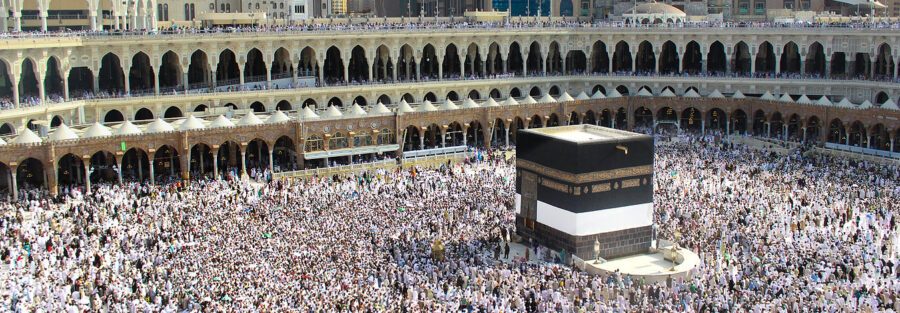
Once in the Masjid al-Haram (the Grand Mosque in Mecca), you perform the Tawaf, which involves walking around the Kaaba seven times in a counterclockwise direction. This is a symbolic act of devotion and signifies the unity of believers in the worship of the One God.
- Sa’i: The Walk between Safa and Marwah
Following Tawaf, pilgrims proceed to perform Sa’i, a ritual where they walk seven times between the hills of Safa and Marwah. This act commemorates the desperate search of Hagar, the wife of Prophet Ibrahim (Abraham), for water for her son, Prophet Ismail. Today, Sa’i serves as a reminder of faith, patience, and trust in God’s provision.
- Standing at Arafat (Hajj Only)
The culmination of Hajj occurs on the 9th day of Dhu al-Hijjah at the plain of Arafat. Pilgrims gather here, pray, and ask for forgiveness. The day is so significant that it is referred to as the “Day of Arafat,” marking the climax of the pilgrimage.
- Rami al-Jamarat: Stoning the Devil (Hajj Only)
This rite symbolizes the rejection of evil and the devil. Pilgrims throw stones at three pillars in Mina, representing the places where Prophet Ibrahim was tempted by Satan. It’s a powerful act of defiance against temptation and the forces of evil.
- Shaving/Cutting Hair: A Symbol of Purity
After completing the major rites, male pilgrims shave their heads, while females trim a small portion of their hair. This symbolizes the shedding of sins and the renewal of spiritual purity.
The Spiritual Significance of Hajj and Umrah
While the rituals themselves are a physical challenge, the real impact of Hajj and Umrah lies in their spiritual significance. These pilgrimages allow you to renew your faith, purify your soul, and reconnect with God in ways that are difficult to describe. The sheer scale of the experience can feel overwhelming at first, but it is in this sacred journey that you encounter profound moments of reflection, repentance, and unity with fellow Muslims.
The Symbol of Unity and Brotherhood
One of the most powerful aspects of Hajj is the way it brings Muslims from all walks of life together. Whether you are rich or poor, young or old, everyone stands shoulder to shoulder in the worship of God. The commonality of the Ihram garments, the shared prayers, and the collective experience of seeking forgiveness and guidance from God create a deep sense of unity.
How to Prepare for Hajj and Umrah
Embarking on such an important spiritual journey requires careful preparation. Here are some essential tips to ensure your trip goes smoothly:
- Financial and Logistical Planning
Hajj is an expensive journey, and it’s crucial to save in advance to ensure you have enough funds. Look into travel agencies that offer Hajj packages that cover all aspects of your trip, from flights and accommodations to transportation within Saudi Arabia. For Umrah, the cost may vary depending on the time of year, but it’s still a good idea to book in advance.
- Mental and Physical Preparation
The physical demands of both Hajj and Umrah can be taxing, especially the long days of walking, standing, and the heat of the desert. Make sure you’re in good health and have the stamina for this journey. It’s also important to mentally prepare yourself to embrace the transformative nature of this pilgrimage. Take time to learn about the rituals and their meanings so you can engage in them with full understanding and devotion.
- Health Precautions and Safety
It’s essential to keep your health in check before, during, and after the pilgrimage. Ensure you get the necessary vaccinations, and always carry any medications you may need. It’s also helpful to stay hydrated, especially during the summer months when temperatures can soar. Wear comfortable clothing and shoes, as you’ll be walking a lot.
- Focus on Spirituality
This journey is not just about completing physical acts but also about seeking a deep connection with God. Spend time reflecting, praying, and repenting for your sins. Make dua (supplications) and ask Allah for guidance, peace, and forgiveness.
What Are the Benefits of Performing Hajj and Umrah?
Many pilgrims attest to the profound impact that both Hajj and Umrah have on their lives. These pilgrimages are transformative, offering both tangible and intangible benefits:
- Forgiveness of Sins: Performing Hajj or Umrah with sincere devotion can result in the forgiveness of all past sins. It’s a chance to start afresh and deepen your relationship with God.
- Spiritual Cleansing: These pilgrimages offer a spiritual cleansing, offering an opportunity to purify the soul and renew one’s faith.
- Strengthened Faith: The experience of Hajj and Umrah strengthens one’s connection to Islam and deepens understanding of the religion’s teachings.
- Sense of Unity and Brotherhood: Pilgrims from around the world come together, transcending cultural, social, and economic barriers. This unity is an unforgettable part of the pilgrimage experience.
Conclusion: Embracing the Journey
In conclusion, Hajj and Umrah are not just physical journeys but profound spiritual quests that change the way you view the world and your place within it. They offer a unique opportunity to reset, refocus, and rediscover your faith. By understanding the significance of each ritual and preparing mentally, physically, and spiritually, you can make your pilgrimage a deeply meaningful and transformative experience.
So, what are you waiting for? The journey to Mecca and Medina may be one of the most significant experiences of your life, and the reward is beyond measure. With faith, devotion, and preparation, your spiritual journey awaits—ready to change you for the better.